
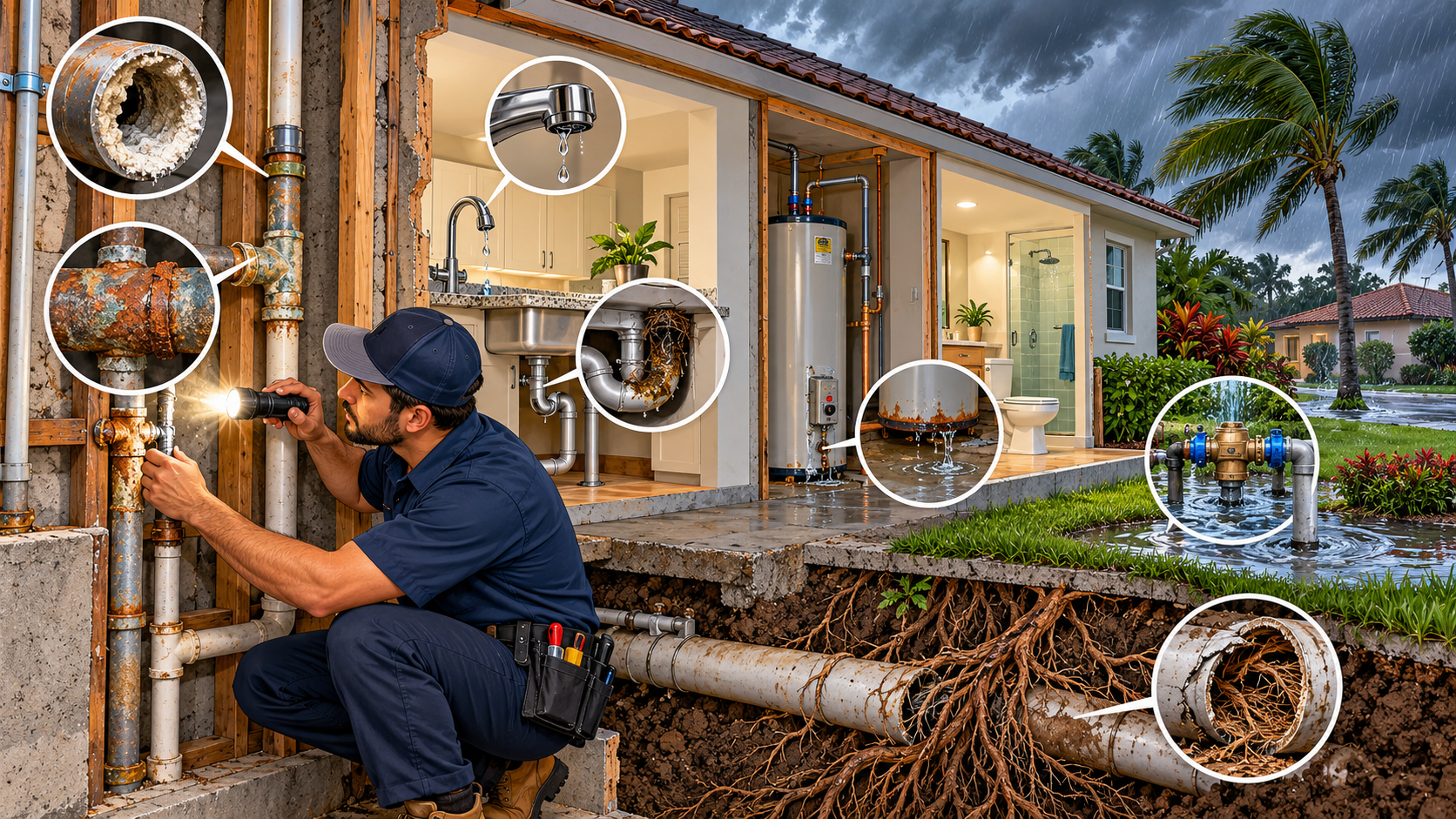
If your home was built between 1978 and 1995, there's a good chance it contains polybutylene plumbing. Thousands of homes throughout Homestead, Florida City, Cutler Bay, Palmetto Bay, Kendall, and surrounding Miami-Dade communities were originally built with polybutylene water pipes.
While polybutylene was once considered an affordable plumbing material, time has proven that many of these systems are prone to leaks and unexpected failures. As these homes continue to age, more homeowners are asking the same question:
Should I replace my polybutylene pipes before they fail?
As licensed plumbers serving Miami-Dade County, we've seen firsthand the damage that aging polybutylene plumbing can cause. This guide will help you understand the risks, warning signs, and replacement options available.
What Are Polybutylene Pipes?
Polybutylene is a gray plastic water pipe that was commonly installed in homes from the late 1970s through the mid-1990s.
You may have polybutylene plumbing if:
Your home was built between 1978 and 1995
Your water lines are gray plastic
The pipe is marked "PB2110"
You've experienced multiple plumbing leaks
Your insurance company has asked about your plumbing system
These pipes are often located in walls, attics, underground, and beneath concrete slabs.
Why Are Polybutylene Pipes Failing?
Over time, chlorine and other disinfectants found in municipal water systems can cause polybutylene pipes to weaken from the inside.
One of the biggest concerns is that deterioration is often invisible. A pipe may look perfectly fine on the outside while becoming increasingly brittle internally.
When failures occur, they can result in:
Water damage to drywall
Damaged flooring
Mold growth
High water bills
Emergency plumbing repairs
Unlike some plumbing materials that show obvious signs of wear, polybutylene pipes frequently fail without warning.
Common Signs Your Polybutylene Plumbing May Be Failing
1. Increasing Water Bills
A hidden leak behind a wall or under a slab can waste thousands of gallons of water each month.
If your water bill suddenly increases without a change in usage, a plumbing leak may be the cause.
2. Water Stains on Walls or Ceilings
Brown stains, bubbling paint, warped baseboards, or soft drywall may indicate a hidden leak.
3. Low Water Pressure
Leaks and pipe deterioration can affect water pressure throughout the home.
4. Frequent Plumbing Repairs
If you're constantly repairing leaks, replacing sections of pipe may only be delaying a larger problem.
5. Mold or Musty Odors
Even a small hidden leak can create enough moisture for mold growth inside walls and ceilings.
Should You Repair or Replace Polybutylene Pipes?
Many homeowners wonder if they should simply repair individual leaks as they occur.
While repairs may be appropriate for isolated issues, repeated repairs can quickly become more expensive than replacing the system.
Most homeowners choose replacement because it offers:
Greater reliability
Improved water flow
Reduced risk of future leaks
Protection against costly water damage
Increased home value
Greater peace of mind
Instead of waiting for the next leak, a complete repipe eliminates the aging plumbing system altogether.
What Is the Best Replacement for Polybutylene Pipes?
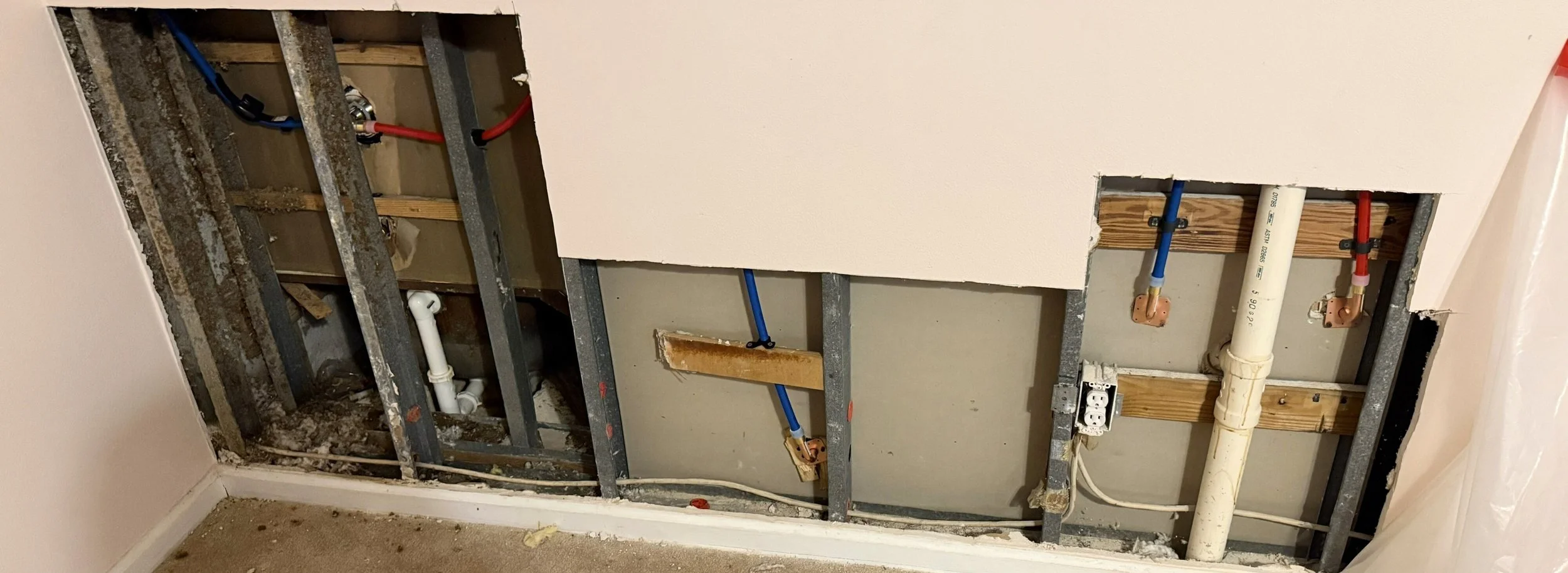
Today, most whole-home repipes are completed using Copper, CPVC, or PEX piping.
PEX has become one of the most trusted plumbing materials available because it offers:
Excellent flexibility
Fewer fittings behind walls
Corrosion resistance
Long service life
Reliable performance
Improved freeze resistance
For many South Florida homeowners, pex provides a dependable long-term plumbing solution.
How Much Does It Cost to Replace Polybutylene Pipes in Miami-Dade County?
One of the most common questions we receive is:
"How much does a whole-house repipe cost?"
The answer depends on several factors including:
Home size
Number of bathrooms
Number of plumbing fixtures
Accessibility
Water heater connections
Permit requirements
Existing plumbing layout
While every home is different, professionally installed repipes in Miami-Dade County often fall within these ranges:
Typical Repipe Cost Ranges
1 Bathroom Home
Approximately $6,000 to $9,000
2 Bathroom Home
Approximately $8,000 to $12,000
3 Bathroom Home
Approximately $10,000 to $15,000+
The best way to determine an exact cost is through a professional evaluation of your home's plumbing system.
Why Many South Florida Homeowners Are Replacing Polybutylene Before It Fails
Many homes throughout Homestead and Miami-Dade County are now more than 30 years old.
As plumbing systems age, the likelihood of leaks and failures increases.
A proactive repipe can often cost far less than repairing:
Water-damaged drywall
Flooring damage
Mold remediation
Cabinet replacement
Emergency plumbing repairs
For many homeowners, replacing aging polybutylene plumbing is an investment in protecting their property.
Polybutylene Pipe Replacement in Homestead and Miami-Dade County
At Pipe Heroes Plumbing, we specialize in helping homeowners evaluate aging plumbing systems and determine whether a repipe is the right solution.
Our services include:
Polybutylene pipe inspections
Leak detection
Whole-house repipes
Water line replacements
Residential plumbing upgrades
As a family-owned and operated plumbing company, we believe in honest recommendations, quality workmanship, and treating every customer like family.
Schedule a Professional Plumbing Evaluation
If your home has polybutylene pipes or you've been experiencing recurring leaks, now may be the perfect time to explore your options.
Pipe Heroes Plumbing proudly serves homeowners throughout Homestead, Florida City, Cutler Bay, Palmetto Bay, Kendall, Pinecrest, and surrounding Miami-Dade communities.
Call today to schedule your plumbing evaluation and learn whether replacing your polybutylene pipes is the right solution for your home.
Pipe Heroes Plumbing
Saving the Day, One Pipe at a Time.